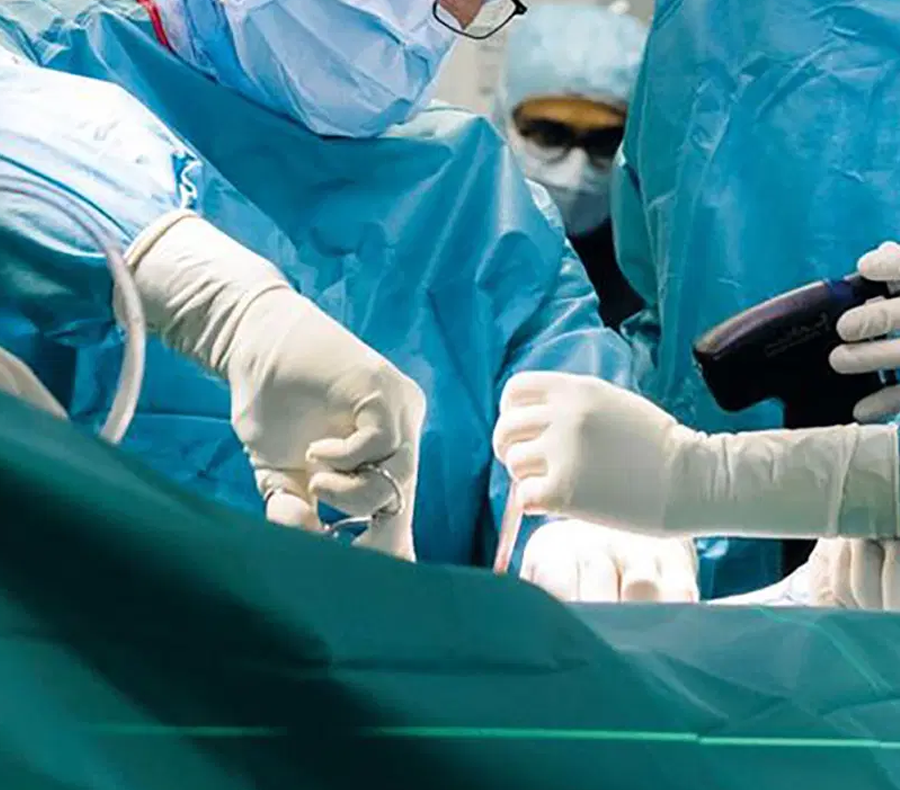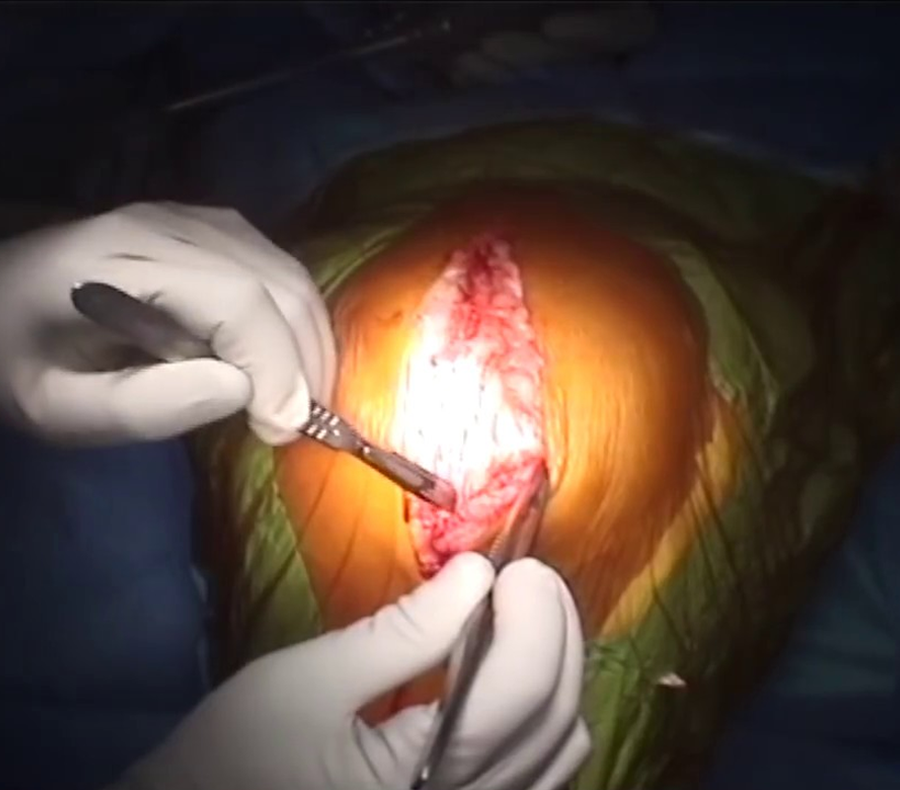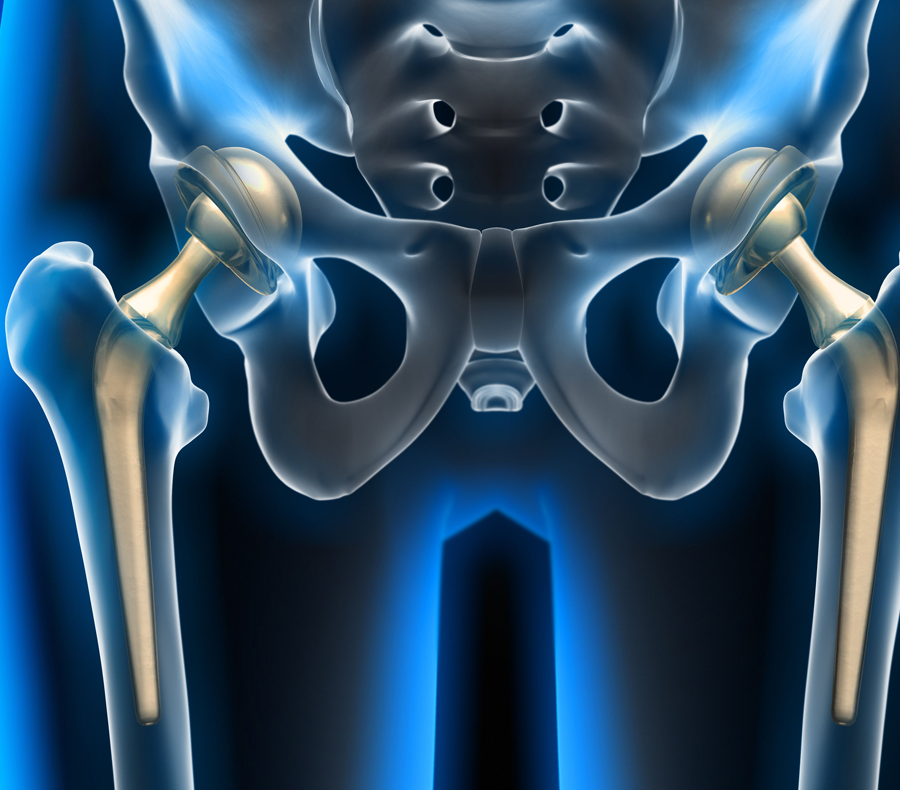
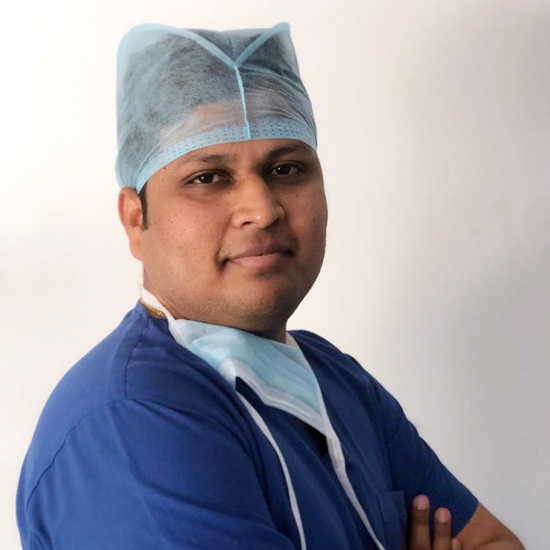
Knee, Hip & Shoulder Clinic was established in 2010 as a one-of-its-kind center specializing in knee and shoulder problems. The motto of the clinic has been “patient-centric approach”. Dr. Vinay Kumar is Best Orthopedic Doctor in Hyderabad and fully trained and accomplished in all aspects of Knee replacement and Shoulder surgery. Have been providing quality care for over 10 years.
We Dr Vinay Ortho Care provides state-of-the-art treatment of all adult and childhood bone and joint related disorders, including fractures, dislocations, bone tumors, bone and joint infections, limb deformities and arthritis. We have an expert multidisciplinary team to cater outpatient consultations, inpatient surgical treatment and post-operative rehabilitation.
We have an excellent success rate in all types of joint replacement surgeries, including primary, complex and Revision knee replacement and Revision hip replacements . Dr. Vinay is a highly skilled and experienced surgeon who specializes in shoulder surgery and arthroscopy. He has a wealth of knowledge and expertise in diagnosing and treating a range of shoulder conditions, including rotator cuff tears, shoulder dislocations, and labral tears
Dr Vinay Kumar has more than 5 years of rich experience overall in Orthopedic surgeries and still counting!
500 plus happy patients with successful knee, hip and shoulder replacements.
Dr. Vinay Kumar has successfully done more than 2,000+ orthopedic surgeries.
More than 10,000 patients across India are successfully treated for their bone and joint- problems.
Hi, I am Saikiran I have done ACL surgery in Raghavendra Yashoda hospitals Hospital the response of the hospital staff is good. DR Vinaykumar sir explain about ACL tear surgery before and after surgery and now Iam Happy with my surgery and now I am getting recovery.
DR VINAY kumar Surgery went well and the way doctor treats the patient is really good. And personally Vinay sir monitor the patient. We undergoing the Physica and Dr Sujith Singh his Maximum support to the patient to get recover soon.
After my accident on my 2 wheeler for its skidding in sudden down pour of rain... I was shifted to Srikar Hospital by 108 Ambulance service. Immediately they took care of me in that emergency and under directions of Dr vinay kumar Orthopedic surgeon, I was advised and was admitted gor surgery of my shoulder dislocated and fracture. It went on successfully and all the other helping doctors and staff were very helpful. I thank Dr Vinay kumar and everyone supportive behavior and getting me discharged in 2 days .
We offer a wide range of procedures to help you get the perfect smile.

Knee, Hip & Shoulder Clinic was established in 2010 as a one-of-its-kind center specializing in knee and shoulder problems. The motto of the clinic has been “patient-centric approach”.
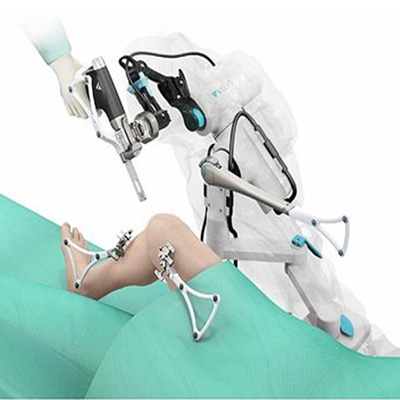
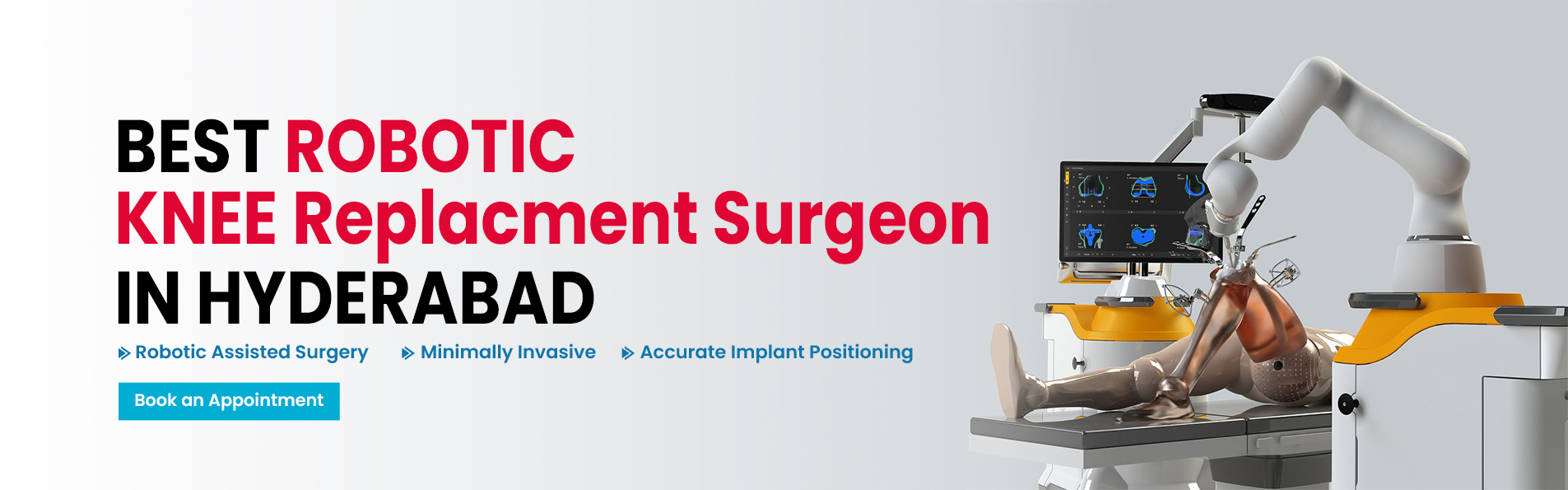
Robotic Knee Replacement Surgeon in Secunderabad
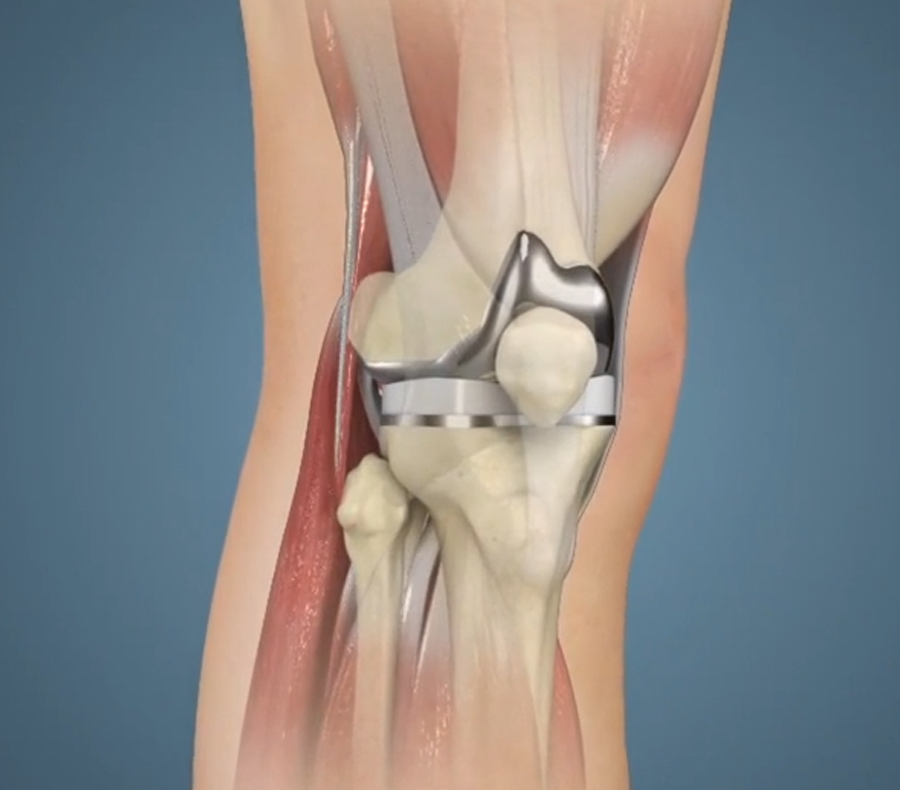
Knee Replacement Doctor in Secunderabad
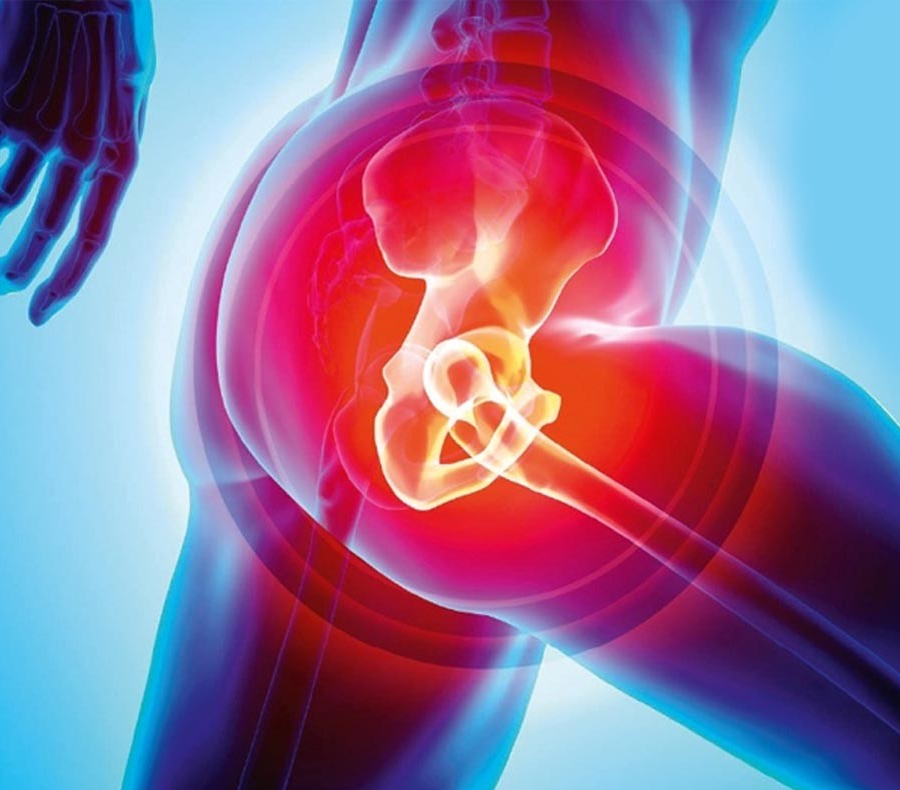
Hip Replacement Surgeon in Secunderabad
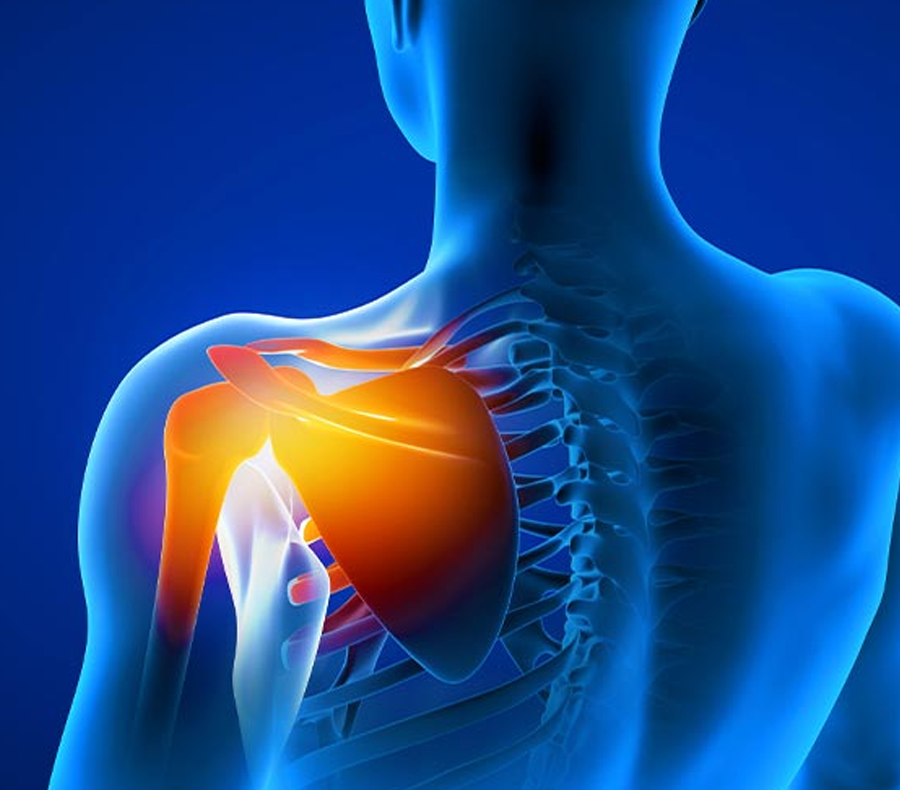
Best Shoulder Replacement Surgeon in Secunderabad
Trauma Surgeon in Secunderabad
Compllex Trauma Care in Secunderabad
Yashoda hospitals, Alexander Rd, Kummari Guda, Shivaji Nagar, Secunderabad, Telangana 500003
Copyright © Dr. Vinay Ortho Care. All Rights Reserved.
Website Designed & Developed By Venlax Group